Protecting Period Features During Mayfair House Moves
Posted on 10/06/2026
Moving in Mayfair is rarely a straightforward lift-and-load job. Many homes here carry the sort of character you simply cannot replace: carved cornices, sash windows, marble fireplaces, narrow staircases, polished banisters, and plasterwork that has survived more than one generation. Protecting period features during Mayfair house moves is therefore less about brute strength and more about judgement, planning, and a respectful touch.
If you are relocating from, into, or within a period property in Mayfair, the stakes feel higher for good reason. A tiny chip in a stone mantel, scuff on a panelled wall, or crack in a mirror surround can be expensive to put right, and sometimes impossible to match perfectly. This guide walks through what matters, how the process works, and the practical steps that help keep old homes looking beautiful while the move gets done. If you are also comparing move types, it can help to look at the broader removal services in Mayfair and decide where you need extra care.
Truth be told, a good period-property move is often won before moving day even starts. A little planning goes a long way. So let's get into the details.
Why Protecting Period Features During Mayfair House Moves Matters
Period features are often the very reason a property feels special. In Mayfair, they may also form part of the home's value, its rental appeal, and its overall identity. When those details are damaged during a move, you are not just dealing with a cosmetic issue. You may be dealing with a repair that needs specialist skills, a longer turnaround, and a finish that never quite matches the original. That is especially true with older joinery, decorative plaster, antique stone, original tiles, and aged timber.
There is also the practical side. Period homes can have tighter hallways, awkward turns, steeper stairs, fragile finishes, and unusual layouts. A sofa that glides easily through a modern apartment can suddenly become a problem when faced with a Georgian doorway and a very determined bannister. That is where moving care turns into moving strategy.
In our experience, the biggest losses usually happen in the small moments: a box nudged against skirting, a removal trolley clipping a door frame, or a mirrored cabinet scraping a stairwell because someone underestimated the bend. None of it is dramatic at the time. Then you notice it later. And that's the annoying bit, isn't it?
For homeowners, landlords, and tenants, the goal is the same: get everything out safely, and leave the property looking as though the move barely happened. If you are planning a full property move, reviewing house removals in Mayfair can help you think in terms of the whole home rather than only the largest items.
How Protecting Period Features During Mayfair House Moves Works
The process is straightforward in concept, but it needs discipline. Protecting period details is really about controlling contact, weight, vibration, and timing. You reduce risk by creating a clear route, padding vulnerable surfaces, dismantling what can be dismantled, and moving slowly enough that no one has to guess what is around the next corner.
It starts with a property survey or at least a careful pre-move walk-through. This is where you identify the fragile parts of the building: original stair rails, decorative architraves, fireplace surrounds, window shutters, mirrors, panelled walls, ornate lighting, and anything else that looks irreplaceable. The point is not to become precious about every surface. The point is to know where the real hazards are.
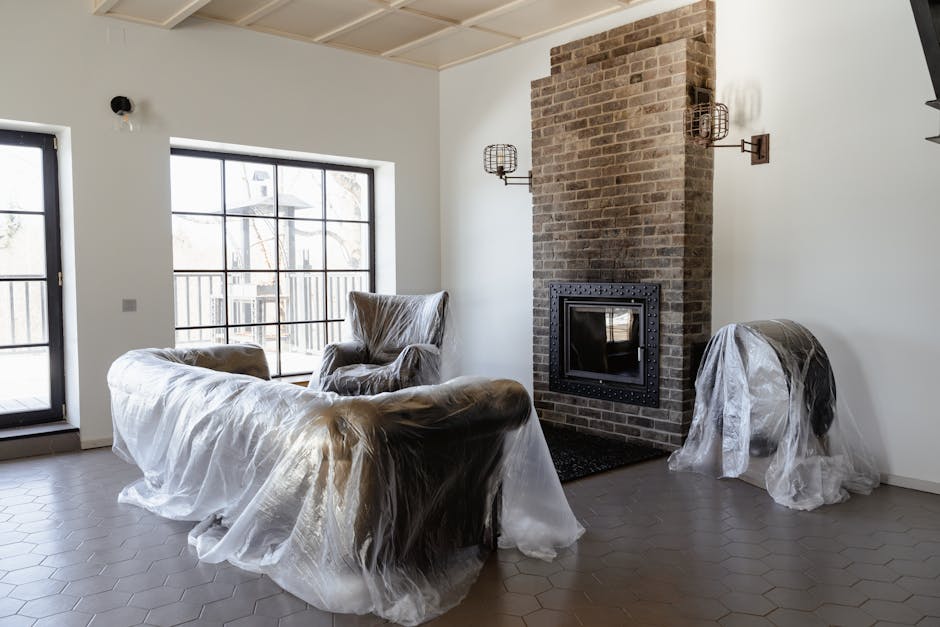
Next comes packing and protection. Good removal crews use layered protection: soft wraps, corner guards, door-jamb pads, floor coverings, and furniture blankets. A piano, for example, is not simply "wrapped up"; it is protected in stages. If you are moving something particularly delicate, dedicated furniture removals in Mayfair can be useful because they are geared towards careful handling rather than fast throughput.
Then comes the route itself. Period homes often have narrow landings, deep steps, and odd turning angles. A move that looks fine on paper may still require a furniture shuffle in the hallway. Good practice is to remove obstacles before moving day, keep the route clear, and assign one person to spot-check the property as items come through. That second pair of eyes matters more than people think.
Finally, the items should be loaded in a way that minimises movement inside the vehicle. Heavy pieces need to be secured, delicate items isolated, and anything with fine surfaces kept away from pressure points. This is where a clean, well-equipped vehicle and experienced hands make a real difference. If you are weighing up vehicle size and access, the page on a man with van in Mayfair is worth a look for smaller or more flexible moves.
Key Benefits and Practical Advantages
Preserving period features is not just about avoiding damage. It also improves the whole moving experience. A careful move tends to be calmer, more organised, and less likely to derail halfway through the day. That might sound obvious, but the difference is surprisingly noticeable once the team starts working around fragile finishes.
- Lower repair risk: Less chance of chips, scrapes, broken plaster, or dented timber.
- Better property handover: Helpful for landlords, sellers, and tenants who need the property left in presentable condition.
- More confidence on moving day: Everyone knows the plan, which reduces hesitation and mishaps.
- Protection of character and value: Period details contribute to the home's feel and, often, its market appeal.
- Less disruption: Clear preparation usually means fewer delays at stairways, corners, and doorways.
There is another benefit that people tend to underestimate: peace of mind. If you have spent years living with a particular fireplace, cornice or staircase, you do not want to watch it suffer because someone was rushing with a trolley. Being careful is not fussiness. It is respect.
For people moving in and out of long-held properties, the confidence that comes from a well-run plan is often worth as much as the physical protection itself. And if you want a clearer view of the wider moving process, the services overview can help you see how different removal needs fit together.
Who This Is For and When It Makes Sense
This approach makes sense for more people than you might expect. It is not only for owners of grand townhouses. Plenty of flats and converted buildings in Mayfair include original features that deserve a careful hand.
- Homeowners moving out of or into a heritage-style property.
- Tenants who need to avoid deposit deductions from avoidable damage.
- Landlords and managing agents wanting a smooth handover and minimal repair work.
- Buyers and sellers in period homes where presentation matters during the transition.
- Collectors and design-led households moving antique furniture, mirrors, or art alongside original architectural features.
It is especially useful where access is awkward: basement levels, upper floors, tight staircases, or properties with shared common parts. If that sounds familiar, then planning a move more like a precision operation than a quick clear-out is the right call.
One realistic example: a couple moving from a Mayfair flat with original mouldings and a marble fireplace might not need a huge lorry, but they absolutely need measured packing, protection for the hallway, and a crew that understands how to pivot a wardrobe without brushing the wall five times. Small move, big consequences. That's the reality.
Step-by-Step Guidance
1. Walk the property before anything is packed
Look at every vulnerable feature and every pinch point. Make a note of where the corners are tight, where the floor might need protection, and which items are too awkward to move in one piece. If possible, take photos before the move. Not because you expect trouble, but because a simple record helps everyone stay accountable.
2. Decide what must be wrapped, dismantled, or isolated
Large furniture, mirrors, lamp bases, framed artwork, and anything with a delicate finish should be considered individually. Period properties often contain a mix of old and new, so use judgement rather than assuming one method fits all. A chest of drawers and a carved sideboard do not travel the same way, obviously, but people still try now and then.
3. Protect the building first, then the furniture
It is tempting to concentrate on the sofa and forget the doorway. Don't. Door edges, banisters, threshold strips, skirting boards, and stair corners usually take the first hit. Use floor runners, corner guards, padded blankets, and tape that will not leave a mess behind. In a period home, the route itself is often the fragile thing.
4. Pack in layers
Delicate items should not rattle around inside a box. Fill voids, separate surfaces, and use sturdy cartons for items that can crush or warp. For glass and ceramics, double-check the cushioning and keep the weight sensible. If you need supplies, packing and boxes in Mayfair is the obvious place to start.
5. Move high-risk items early in the day
When everyone is fresh, the margin for error is better. Early movement also gives you time to adjust if a piece needs re-wrapping or a route needs rethinking. By late afternoon, people get tired, and tired people make sloppy turns. That's just life.
6. Check every feature at the end
Once the move is done, do one final walk-through. Inspect the main period features, the hallways, and the stair edges. If something needs a prompt note or follow-up, deal with it straight away rather than leaving it to memory.
Expert Tips for Better Results
Small improvements make a big difference in older homes. A move through a period property is never about one clever trick; it is usually the sum of fifty careful decisions.
- Measure the awkward items twice. Not once, twice. Especially if they need to clear a turn or staircase.
- Use breathable protection where needed. Some finishes do better with soft blankets than with heavy plastic wrapping.
- Protect the route, not just the item. A beautiful table can still scratch a wall if the hallway is unguarded.
- Keep screws and fittings together. Use labelled bags for dismantled furniture so nothing disappears at the worst possible moment.
- Assign one person to call the shots. Too many voices at a narrow landing can become chaos very quickly.
- Use storage if the timeline is messy. Staging items off-site can reduce pressure when completion dates or renovations run late. If that is relevant, see storage options in Mayfair.
One practical, human tip: keep a small bag with tape, scissors, labels, cloths, and a marker pen within reach. It sounds trivial, but in the middle of a move, finding tape can feel like a treasure hunt in a house full of boxes. Not ideal.
If your move involves a building with limited access or a tighter schedule, a flexible option such as man and van in Mayfair may suit the job better than a larger setup. The point is to match the vehicle and crew to the property, not the other way around.
Common Mistakes to Avoid
Most damage in period homes is preventable. The annoying part is that the mistakes are usually ordinary ones, not dramatic ones.
- Rushing the walk-through. If you do not spot a low shelf, protruding radiator, or fragile stair detail, it will spot you later.
- Using the wrong packing materials. Thin boxes, weak tape, and loose wrapping do not suit heirloom-style items or fragile trim.
- Forgetting the route. Protecting the furniture while leaving a bare doorway exposed is a half-job.
- Overloading one box. Heavy boxes are hard to carry and more likely to drop, especially on stairs.
- Assuming every item can be moved in one piece. Some furniture needs dismantling before it meets a narrow hall.
- Leaving it to chance on completion day. If access, parking, or timing looks tight, sort it out early.
Another common slip is underestimating how old paint, plaster, and timber behave. On a modern wall, a minor brush may be cosmetic. On an older surface, it can lift paint or mark a finish that has taken decades to mellow. Little things matter more here.
If timing is tight and the property needs a fast turnaround, it may be worth exploring same-day removals in Mayfair rather than stretching a fragile move across several stressful days.
Tools, Resources and Recommendations
You do not need a warehouse of specialist kit, but the right basics help enormously. The aim is steady protection, not overcomplication.
| Tool or Material | Best Use | Why It Helps |
|---|---|---|
| Furniture blankets | Large items, timber finishes, glass-fronted pieces | Reduces scuffs and absorbs minor knocks |
| Corner guards | Door frames, wall corners, banisters | Protects the route through tight spaces |
| Floor runners | Hallways, stairs, and entrances | Helps protect delicate flooring from heavy foot traffic |
| Labels and marker pens | Dismantled furniture and fragile boxes | Speeds up reassembly and reduces confusion |
| Strong cartons | Books, glassware, ornaments, crockery | Prevents crushing and box failure |
Beyond physical tools, the most useful resource is a crew that understands old buildings. You want movers who can judge when to lift, when to pivot, and when to stop and reassess. If you are comparing providers, removal companies in Mayfair is a sensible page to review before deciding.
For larger homes or mixed household moves, removals in Mayfair can give you a broader sense of what is available, while a removal van in Mayfair may suit those who need a more compact setup. It really depends on the layout and the volume.
Law, Compliance, Standards, or Best Practice
Without turning this into a legal lecture, it is worth saying that period-property moves should be handled with care and common sense, especially in older buildings and shared spaces. Where leaseholds, listed elements, conservation concerns, or managing-agent rules apply, you should check the building requirements before moving day. Some properties have specific expectations around access, protective coverings, lift use, parking, and noisy work.
From a practical UK moving perspective, responsible handling also means being mindful of health and safety, insurance cover, and secure loading. A reputable team should be able to explain how they protect both property and belongings. That includes using suitable lifting methods, planning for access restrictions, and staying alert to risks in stairwells and communal areas. If you want to understand those safeguards in more detail, the pages on insurance and safety and the company's health and safety policy are relevant starting points.
There is also a basic duty of care angle. If the move involves shared entrances, period flooring, or common hallways, it is best practice to protect the route properly and leave the building as you found it. That is not just polite. It is the standard most residents and agents expect.
One more thing: if you are comparing costs, look for clarity rather than the cheapest headline number. Pricing and quotes should make it easier to understand what is included, which matters a great deal when fragile items need extra handling.
Options, Methods, or Comparison Table
Different moves need different levels of protection. The method should match the home, the furniture, and the urgency of the job. Here is a simple comparison to make that clearer.
| Approach | Best For | Pros | Trade-Offs |
|---|---|---|---|
| Basic careful move | Light household moves with limited fragile architecture | Simple, cost-effective, quick to organise | May not be enough for ornate or high-value features |
| Enhanced protection move | Most period homes in Mayfair | Balanced protection, route guarding, better packing discipline | Takes longer to prepare |
| Specialist fragile-item move | Antiques, pianos, high-value furniture, very tight access | Highest level of care and equipment | Usually more involved and may cost more |
| Split move with storage | Renovations, uncertain dates, staged clearances | Reduces pressure on the property and the schedule | Requires extra coordination |
For especially awkward furniture, it can make sense to combine methods. A property might need enhanced route protection for the house itself, plus specialist handling for a piano or an antique wardrobe. That is perfectly normal, by the way. There is no prize for pretending every item is easy.
If your move includes a valuable instrument, the dedicated piano removals in Mayfair service is relevant because pianos are not forgiving, and neither are stair corners.
Case Study or Real-World Example
Picture a Mayfair townhouse with a narrow entrance hall, original staircase, decorative ceiling detail, and a marble fireplace in the front room. The owners need to move out ahead of decoration work, and the property has a mix of modern furniture and inherited pieces from the family. Nothing outrageous, but enough to make everyone slightly nervous.
The move starts with a walk-through. The team identifies the main risk points: the front door edge, the first stair turn, a deep skirting board, and a mirrored cabinet that will not survive a clumsy pivot. The hallway gets padded. The stair rail gets protected. The bigger furniture is measured against the turns before anyone begins lifting. That alone saves time.
One sofa is too tight in the staircase, so it is rotated and moved with more than one pair of hands. A table base is detached rather than forced through in one piece. The fireplace stays untouched because the route is narrowed, not improvised. Nothing fancy. Just proper care.
At the end of the move, the walls are checked, the banister is intact, and the only real drama is a short discussion about where the kettle has gone. Which, if you ask me, is the kind of moving-day drama we can all live with.
This sort of outcome is usually the result of good preparation, not luck. The difference between a calm move and a stressful one is often whether someone respected the property before the first box moved.
Practical Checklist
Use this checklist before moving day. It is simple, but it catches the things people most often miss.
- Walk through the property and note fragile period features.
- Measure stair turns, doorways, and tight corners.
- Decide which furniture needs dismantling.
- Gather blankets, floor protection, tape, labels, and boxes.
- Protect walls, floors, banisters, and thresholds before carrying begins.
- Pack fragile items separately and fill empty box space properly.
- Mark anything delicate or valuable clearly.
- Check access arrangements, parking, and timing.
- Keep screws, fittings, and small parts in labelled bags.
- Do a final walk-through after loading and again after delivery.
Expert summary: if the home has original features, treat the building like a moving participant rather than just a backdrop. Protect the route, pace the job, and use the right tools for the space. That is the whole game, really.
Get a free quote today and see how much you can save.
Conclusion
Protecting period features during Mayfair house moves is ultimately about respect: respect for the building, for the furniture, and for the fact that older homes need a slower, sharper kind of care. The best moves do not look rushed. They look controlled, considerate, and planned with real attention to the details that matter.
Whether you are moving a single flat's worth of furniture or a full household with antiques and awkward access, the same principle applies. Prepare the route, wrap properly, measure twice, and work with people who understand what a period property demands. That way, you keep the charm without inviting unnecessary damage. And let's face it, that is the dream.
If you are comparing your options or want a practical conversation about the move, you can always start by reviewing the wider services overview and then take the next step with confidence. A careful move is a good move. Simple as that.